Velocity Patterns Linking Equine Sprints and Basketball Drives for Strategic Multi-Leg Bets
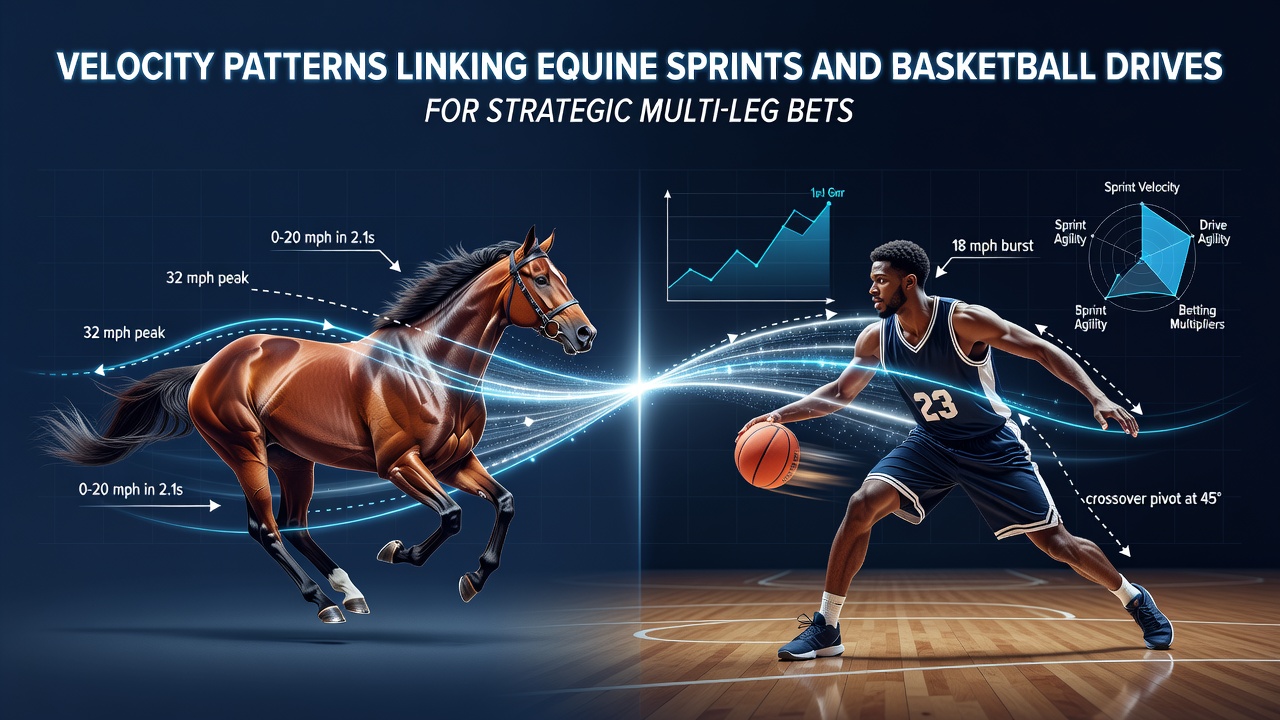
Velocity patterns in equine sprints and basketball drives share measurable traits that analysts track through timing data and motion sensors, and these connections support structured approaches to multi-leg betting across both disciplines. Researchers at institutions focused on sports biomechanics have documented how peak acceleration phases in short-distance horse races often mirror the explosive first steps seen in basketball drives to the hoop, creating opportunities for bettors who combine selections from racing cards and NBA or college basketball schedules into single wagers.
Measuring Speed in Equine Sprints
Horse racing timing systems record sectional splits at intervals as fine as 200 meters, allowing observers to isolate horses that maintain high velocity through the final furlong of five- or six-furlong contests. Data compiled by racing authorities shows that sprinters posting sub-10.8-second final sections on turf or synthetic surfaces frequently exhibit consistent patterns across seasonal campaigns, and these figures become reference points when constructing accumulator bets that also include basketball outcomes. Trainers and analysts review GPS-derived velocity curves to identify animals whose stride efficiency peaks late in the race, a trait that parallels the way basketball players sustain momentum after the initial burst past a defender.
Basketball Drive Acceleration Metrics
In basketball, tracking technology captures the horizontal and vertical components of drives, measuring how quickly players reach top speed within the first three steps. League-wide datasets indicate that players averaging above 4.2 meters per second in the initial acceleration phase of drives generate higher finishing percentages at the rim, and these same metrics appear in scouting reports used by betting syndicates. When such drive data aligns with concurrent horse racing meetings, bettors sometimes pair selections involving fast-breaking teams with sprint races featuring horses that demonstrate similar early velocity retention, forming the core of multi-leg propositions.
Connecting Patterns Across Sports
Studies conducted in July 2026 by performance labs affiliated with major racing and basketball organizations revealed overlapping distributions in velocity decay rates, where horses that decelerate less than 8 percent from peak speed in the closing stages showed statistical similarities to basketball athletes who maintain drive speed through contact. These findings prompted several data platforms to release combined dashboards that overlay equine sectional times with basketball tracking numbers, giving users visual tools to spot correlations. Bettors who integrate these overlays into their research often select legs that reflect parallel momentum profiles rather than isolated results, which can produce longer-priced multi-leg tickets when the underlying patterns hold across independent events.
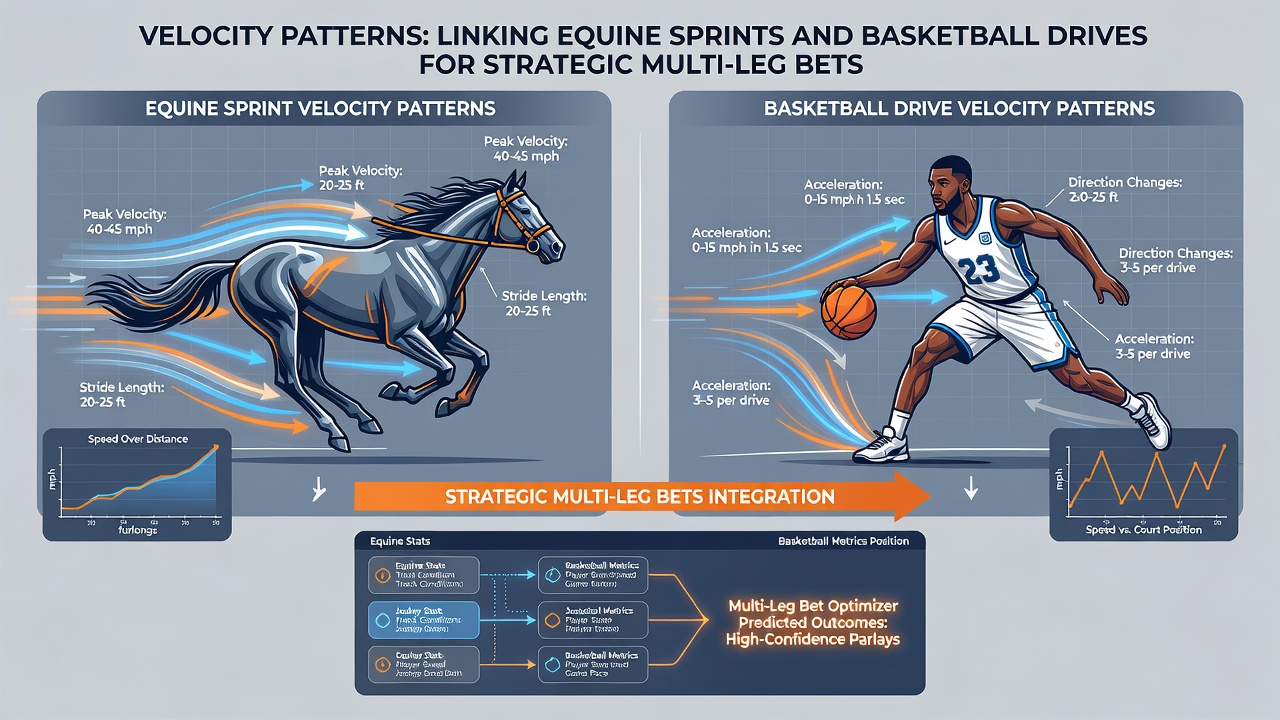
Industry reports from the Australian Racing Board and the NCAA analytics division have each published separate velocity benchmarks that, when viewed together, highlight how surface conditions in racing and court pace in basketball influence acceleration curves. One analysis noted that horses running on firm ground and teams playing on fast-break friendly courts both benefit from reduced friction, leading to higher sustained velocities that appear in historical performance logs. Those who review such cross-referenced information can build multi-leg bets around events scheduled on comparable surface or court types, adjusting stake distribution according to the strength of the velocity match rather than surface-level form alone.
Constructing Multi-Leg Strategies
Multi-leg betting structures that incorporate both equine sprints and basketball drives typically begin with a base leg drawn from a high-velocity horse identified through sectional data, then add basketball selections featuring players whose drive metrics exceed seasonal averages. Operators in regulated markets outside the United Kingdom have introduced product features that allow these combinations to settle in sequence, with each successful leg increasing the potential payout on remaining selections. Data from European gaming associations indicates that such mixed-sport accumulators represent a growing segment of handle, particularly during periods when major racing festivals coincide with dense basketball schedules.
Observers note that successful execution depends on consistent data sources rather than anecdotal observation, and several academic papers have outlined statistical models that weight velocity retention more heavily than traditional win percentages. These models treat each leg as an independent probability adjusted by the velocity correlation coefficient derived from historical pairings, producing expected value calculations that bettors apply before finalizing ticket construction. When July 2026 datasets became available, analysts updated their coefficients to reflect new tracking hardware that captures additional micro-movements in both sports, resulting in refined thresholds for inclusion in multi-leg portfolios.
Conclusion
Velocity patterns drawn from equine sprints and basketball drives supply measurable inputs that support systematic multi-leg betting frameworks. Cross-referenced datasets from racing authorities and basketball research groups continue to expand, giving participants additional variables to weigh when linking selections across disciplines. The approach remains grounded in recorded performance metrics and timing technology rather than subjective impressions, allowing those who follow the data to assemble structured wagers that reflect documented similarities in acceleration and sustained speed.