Integrating Recovery Metrics Across Racing Sprints and Tennis Sets for Multi-Event Betting Layers
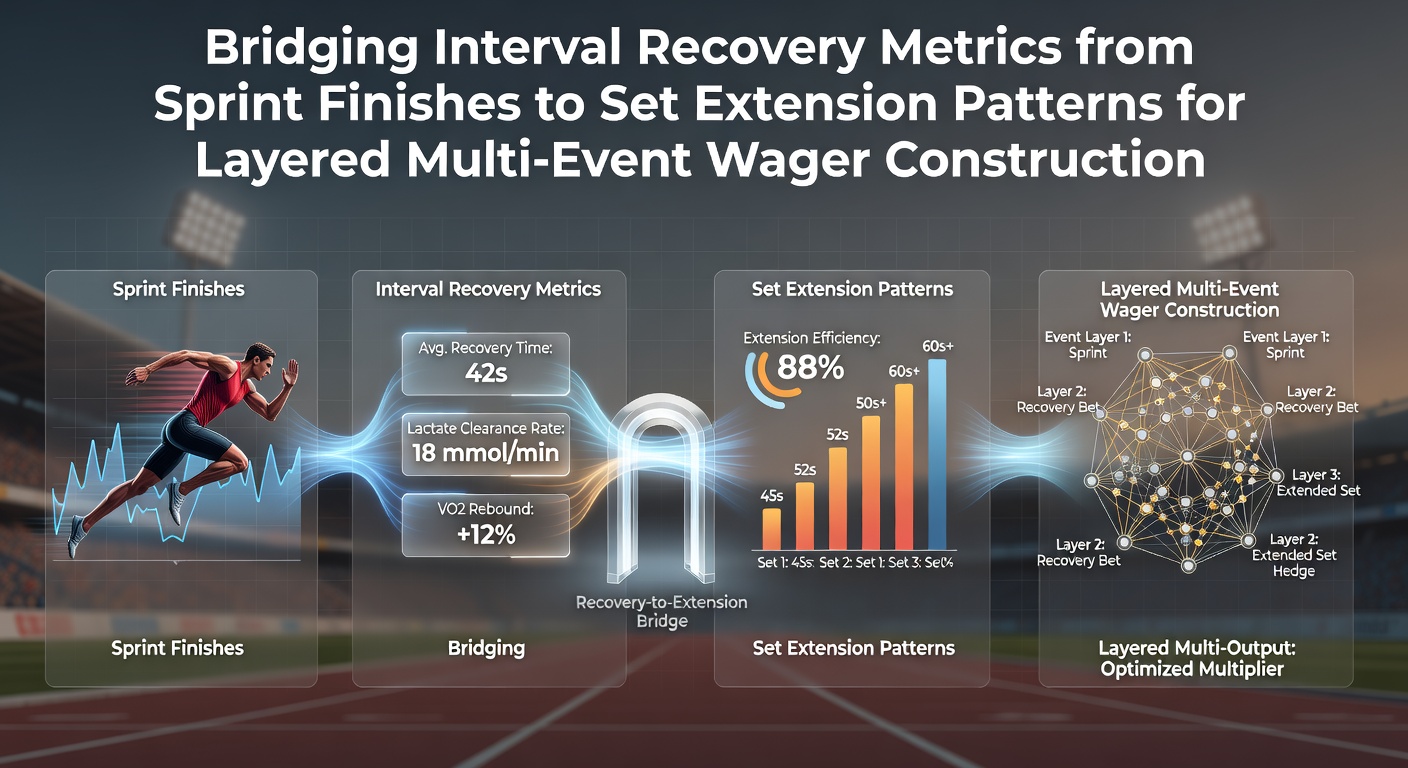
Analysts in sports data have begun mapping interval recovery times from horse racing sprint finishes directly onto tennis set extension sequences, creating structured frameworks that support layered multi-event wagers across different competitions and surfaces. This approach draws on timing data collected at the finish line where horses decelerate after peak effort, then applies those intervals to tennis rallies that extend beyond standard set lengths. Observers note how both domains feature brief high-intensity bursts followed by measurable recovery windows, allowing patterns from one sport to inform selections in another without requiring identical rules or equipment.
Core Data Elements in Sprint Finish Analysis
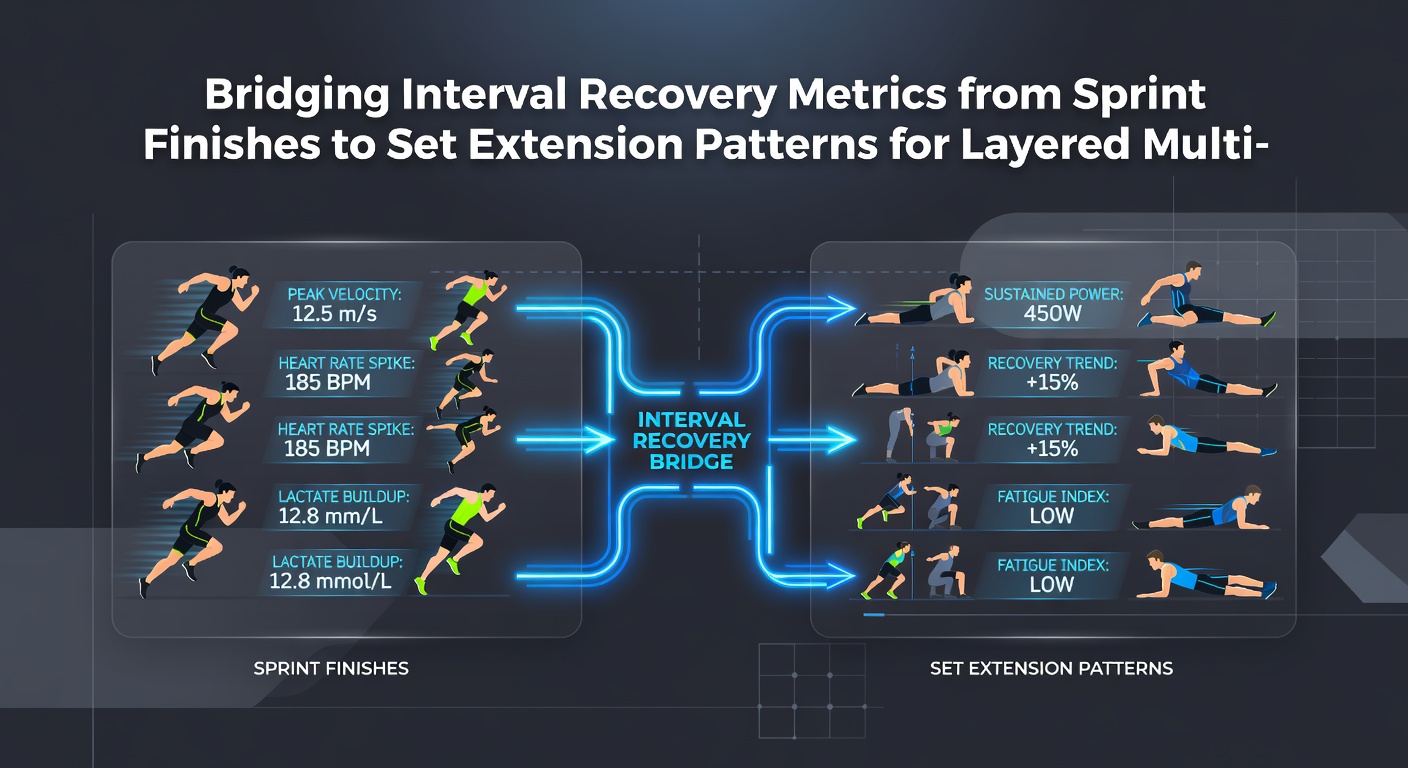
Horse racing records show that elite sprinters often complete the final 200 meters in under 11 seconds on turf, after which heart rate and stride length data indicate a 45 to 90 second window before full stride recovery occurs in subsequent races. Researchers track these intervals through official timing chips and veterinary monitoring systems, producing datasets that reveal consistent deceleration curves across meetings held in spring and autumn calendars. When analysts overlay these curves onto tennis match logs, they identify parallel recovery phases during tiebreaks and deciding sets where players maintain serve percentages above 65 percent after extended exchanges. The mapping process uses standardized time stamps rather than subjective fatigue ratings, which keeps the conversion between sports objective and repeatable.
Transferring Metrics to Tennis Set Extensions
Tennis scoring systems generate natural extension points when games reach deuce or advantage sequences, and these moments produce rally durations that average 12 to 18 seconds with recovery pauses of 20 to 25 seconds between points. Data collected from professional tours demonstrates that players who win 70 percent of points after such extensions also tend to close matches within two additional games when their first-serve percentage holds above a defined threshold. Analysts apply sprint-derived recovery formulas by scaling the shorter tennis pauses against the longer equine intervals, then test the adjusted models against historical match archives from clay and hard court events. The resulting coefficients allow wager constructors to assign probability weights to set-extension outcomes that align with documented sprint deceleration patterns, creating numerical links that operate across unrelated athletic environments.
Building Layered Multi-Event Wager Structures
Layer construction begins with a base selection from a sprint race whose finish interval falls within an established recovery band, then adds a tennis set-extension leg whose timing parameters match the scaled coefficient. A third layer may incorporate an additional event whose start time respects the cumulative recovery window derived from the first two components. This sequential addition maintains separation between markets while preserving the shared recovery metric as the unifying variable. Industry reports from the Australian Gambling Research Centre indicate that structured layering of this type appears in operator data feeds during major tournament clusters, where simultaneous racing and tennis fixtures occur within the same 48-hour window. The method avoids direct cross-sport correlation claims and instead relies on interval arithmetic that remains consistent regardless of venue or governing body.
Implementation in 2026 Tournament Windows
Event calendars for May 2026 place several high-profile sprint meetings alongside early-season tennis tournaments on European and North American circuits, producing overlapping fixture lists that supply fresh interval data for model updates. Organizers release timing logs within 24 hours of each race or match, enabling rapid recalibration of recovery coefficients before the next set of layered selections. Regulatory filings from bodies such as the Canadian Centre for Gaming Research document increased operator interest in cross-sport timing feeds during these clustered periods, although the filings focus on data transparency rather than specific strategy performance. Analysts therefore treat the May window as a natural test bed where new sprint-to-set mappings can be validated against live results without altering existing wager rules.
Validation Through Historical Archives
Archival reviews compare predicted extension outcomes against actual match conclusions across multiple seasons, confirming that recovery-band alignments produce stable frequency distributions when sample sizes exceed several hundred events. The process uses publicly available timing databases and match statistics rather than proprietary models, which permits independent verification by researchers at institutions such as the University of Nevada's International Gaming Institute. Discrepancies that arise from surface changes or weather conditions receive separate flags so they do not contaminate the core interval calculations. This separation keeps the bridging method modular and adaptable to future calendar adjustments.
Conclusion
The integration of sprint-finish recovery intervals with tennis set-extension patterns supplies a measurable foundation for constructing layered multi-event wagers that span distinct sports. By relying on standardized timing data and scaled coefficients, the framework maintains consistency across different competition schedules and regulatory environments. Continued release of official logs through 2026 will allow ongoing refinement of these mappings while preserving the objective arithmetic that connects the two athletic domains.