Integrating Equine Form Data with Tennis Serve Statistics for Optimized Accumulator Construction Across Disciplines
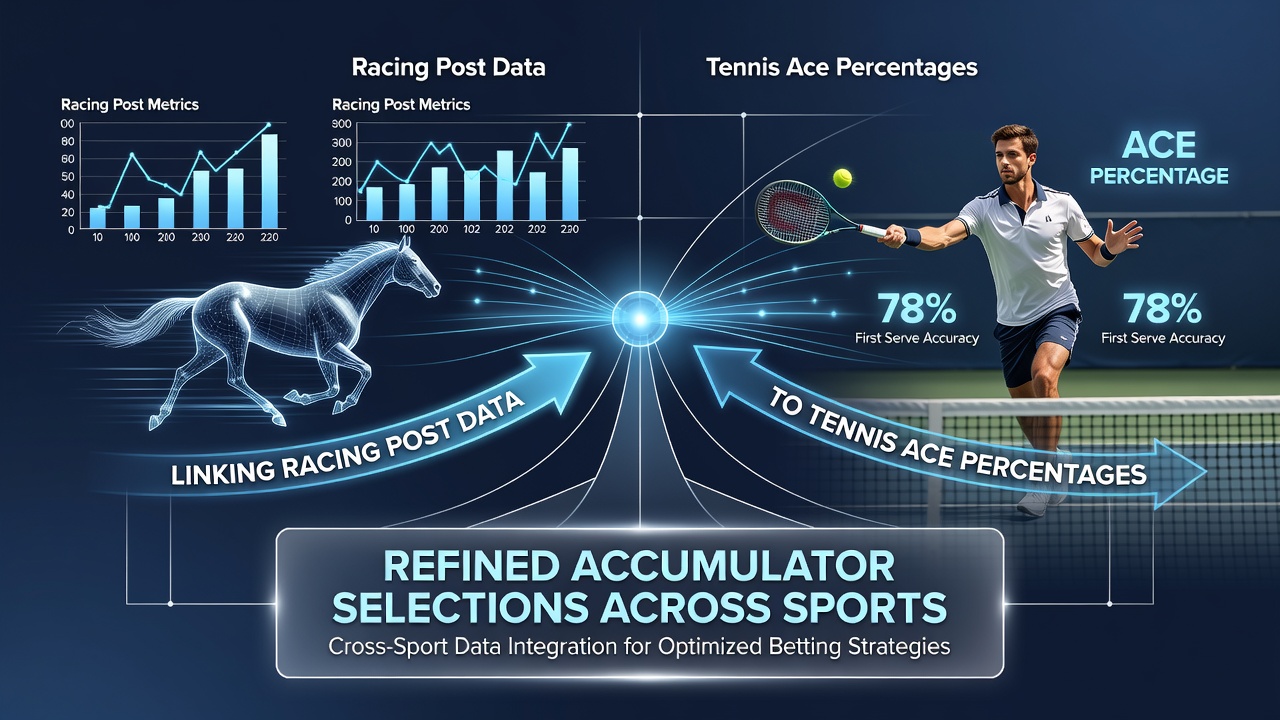
Analysts in sports data fields have examined connections between Racing Post records and tennis ace percentages as a way to refine accumulator selections that span multiple disciplines, and this approach draws on detailed performance metrics from both horse racing and tennis to inform combined betting structures. Racing Post data includes elements such as past race times, track conditions, and trainer patterns, while tennis ace percentages track a player's success rate in landing first serves that opponents cannot return. When these datasets align through statistical models, they produce indicators that apply to accumulators involving football, basketball, or additional events where pace and precision play measurable roles.
Core Components of Racing Post Records
Racing Post compiles historical entries that detail finishing positions, sectional timings, and going descriptions for each runner, allowing researchers to identify consistent patterns in speed and stamina across varying distances. These records extend to jockey statistics and breeding lines, which observers note can correlate with performance under specific weather or surface variables. Data aggregators process this information into comparable formats that link with other sports through shared variables like velocity and endurance thresholds.
Studies from sports analytics programs at institutions such as the University of Queensland have highlighted how equine form metrics translate into broader performance forecasting when paired with serve-related data from tennis. Equine records often reveal early pace leaders or late closers, categories that parallel players who dominate with high ace rates or those who build points through prolonged rallies.
Tennis Ace Percentages and Their Measurement
Tennis ace percentages derive from official match logs maintained by bodies including the ATP Tour, where first-serve points won above 70 percent frequently signal strong serving dominance on faster surfaces. These figures update after each tournament round, incorporating variables such as opponent return styles and court speed ratings. Analysts compile multi-year datasets that show seasonal fluctuations, particularly evident in grass-court events where ace rates rise measurably compared with clay.
Cross-referencing these percentages with Racing Post outputs creates layered filters for accumulator construction, because both datasets emphasize quantifiable edges in direct confrontation scenarios. For instance, a horse demonstrating superior sectional splits in recent outings may align with a tennis competitor posting elevated ace numbers, forming the basis for selections that extend into team sports where similar momentum shifts occur.
Linking Mechanisms Across Datasets
Statistical software packages merge Racing Post entries with tennis serve logs through common denominators such as average speed maintained over distance or point-winning efficiency. Algorithms assign weighted scores to these overlaps, producing composite values that guide accumulator entries in events like football matches or basketball over/under lines. Observers have tracked these linkages in real-time feeds during July 2026, noting incremental refinements in model accuracy when additional variables like player fatigue indicators enter the calculations.

Industry reports from organizations such as the International Betting Integrity Association document how such merged datasets support risk assessment protocols across betting platforms. The process involves normalizing units of measurement, for example converting race times into comparable pace metrics that echo serve speeds recorded in tennis analytics systems. This normalization enables direct application to accumulators where selections from different sports combine into single outcomes.
Practical Applications in Accumulator Structures
Accumulators that incorporate these linked metrics typically feature three to five legs drawn from horse racing, tennis, and at least one team sport. Builders select entries where Racing Post-derived pace advantages coincide with high ace percentages, then extend the chain to basketball totals that reflect similar tempo patterns. Data processing firms update these combinations daily, incorporating fresh results from both racing meetings and tennis tournaments to maintain current alignment.
One documented workflow involves exporting sectional data from recent races into a shared database, then overlaying ace percentage trends from concurrent tennis events. The resulting outputs flag potential combinations where early-race leaders parallel strong-serving tennis players, creating entry points for accumulators that also include football goal lines influenced by comparable attacking momentum. Participation rates in such analytical approaches have remained steady in monitored markets through mid-2026.
Considerations for Data Integration
Integration requires attention to surface and condition variables that affect both equine and tennis performance, since track going descriptions parallel court speed ratings in their impact on ace and pace outcomes. Regulatory frameworks in regions outside the UK emphasize transparent data sourcing, which supports consistent application of these methods across international platforms. Analysts continue to test expanded models that include additional metrics such as rally lengths or sectional recoveries to broaden accumulator refinement options.
Conclusion
Connections between Racing Post data and tennis ace percentages provide structured inputs for accumulator selections that span multiple sports, supported by ongoing dataset alignment and statistical processing. These methods rely on measurable performance indicators that researchers update regularly, allowing for systematic combination of entries from horse racing, tennis, and related disciplines. Continued monitoring of variables such as surface conditions and serve efficiency maintains the relevance of these linkages in current analytical practices.