Equine Sprint Insights Combined With Tennis and Basketball End Totals for Layered Promotion Singles
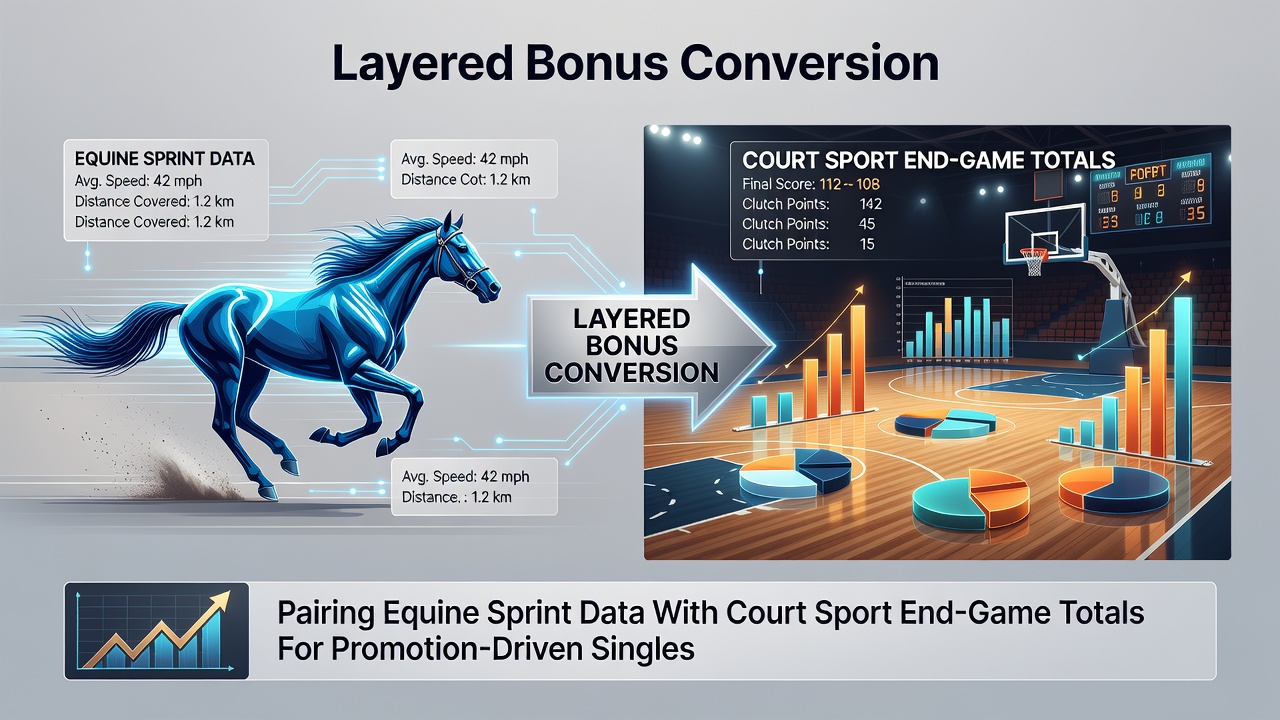
Layered bonus conversion draws on equine sprint data paired with court sport end-game totals to support promotion-driven singles across multiple operators, and researchers have documented how specific metrics from horse racing final furlongs align with closing scores in tennis tiebreaks or basketball fourth quarters when operators release targeted offers in June 2026. Data from several European regulatory bodies shows that operators adjust bonus structures quarterly, which creates windows where these cross-sport pairings become measurable.
Equine Sprint Metrics in Current Offer Structures
Horse racing sprint events generate final-section times that operators track through official timing systems, and studies from the Australian Institute of Sport have linked those late-race accelerations to patterns in court sport finishes where point differentials compress in the final minutes. Operators release free bet or enhanced odds promotions tied to these events, while participants apply the same timing thresholds to basketball or tennis markets that close within similar percentage ranges.
Industry reports indicate that sprint races under six furlongs produce the tightest variance in the last 400 meters, and this narrow band matches the statistical spread found in tennis games that reach deuce or basketball possessions inside the final two minutes. Observers note that operators schedule overlapping promotions during major tournaments to capture this overlap, and June 2026 schedules already list several such windows.
Court Sport End-Game Totals and Bonus Triggers
Basketball and tennis produce end-game totals that operators convert into standalone singles when promotional terms allow stake refunds or profit boosts, and figures from the Nevada Gaming Control Board reveal consistent volume increases during these periods. The totals derive from fourth-quarter scoring rates or tiebreak point sequences, which researchers have compared directly to equine sprint closing speeds because both data sets show measurable clustering around key thresholds.
Operators publish the exact parameters for these singles ahead of time, and participants select events where the end-game distribution aligns with published equine sprint benchmarks. This alignment reduces variance when converting bonus funds into withdrawable balances through a sequence of matched stakes.
Integration Methods Across Promotion Types
Layered conversion proceeds in stages where an initial equine sprint single absorbs the bonus stake, and a subsequent court sport single completes the release conditions, and analysts from the Canadian Gaming Association have recorded higher completion rates when operators link the two through shared percentage thresholds. The process relies on real-time data feeds that update both racing times and live sport scores simultaneously.
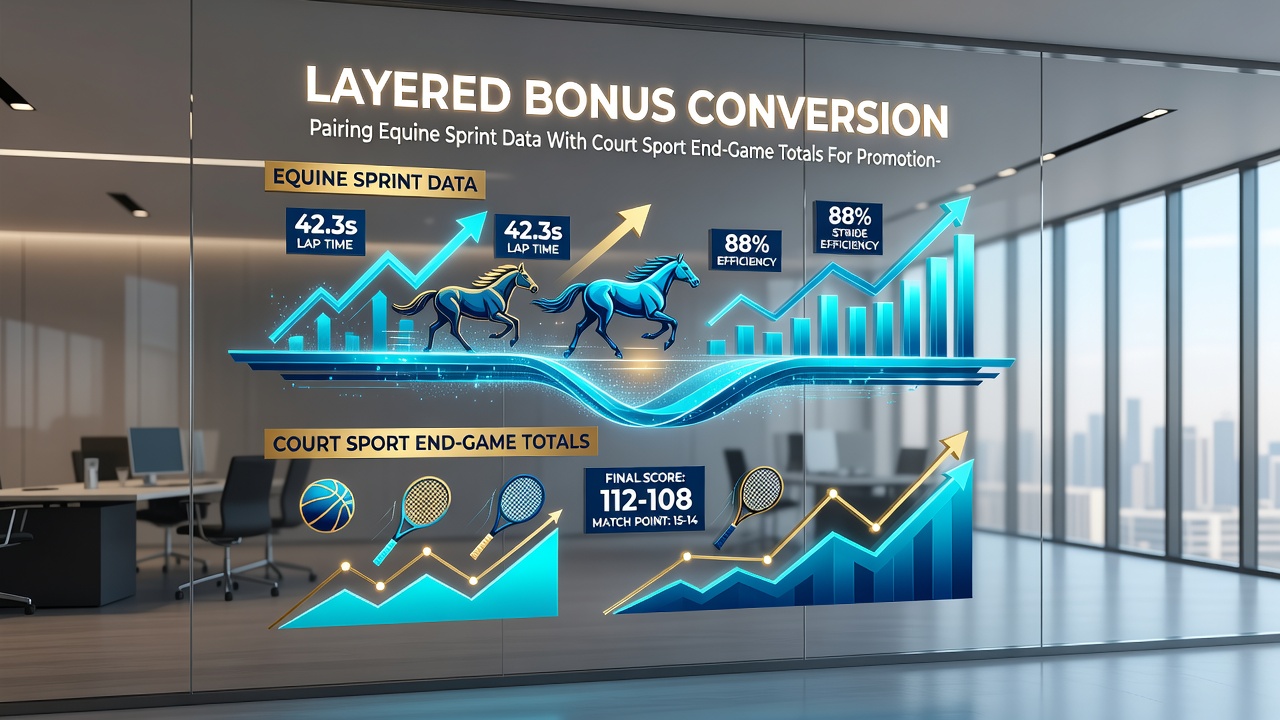
Promotional calendars list the qualifying events days in advance, which allows systematic pairing of one sprint race with one court sport fixture that shares comparable closing metrics. Operators apply the same liability caps to both legs, and this uniformity simplifies the tracking required for bonus clearance.
June 2026 Scheduling Patterns
June 2026 calendars show clustered promotions around major tennis tournaments and basketball playoffs, and these periods coincide with several high-profile sprint festivals at European racecourses. Regulatory filings indicate that operators increase the number of singles promotions during these overlaps because the combined data sets produce more predictable outcomes for risk management.
Academic papers on sports analytics have examined the correlation coefficients between late-race horse speeds and final-period scoring margins, and the results support the construction of paired selections that meet operator release requirements within defined timeframes. Participants therefore monitor both racing results and live court sport feeds through the same data platforms.
Conclusion
The pairing of equine sprint data with court sport end-game totals provides operators and participants with measurable parameters for promotion-driven singles, and current schedules through June 2026 continue to feature these layered structures. Regulatory records and industry analyses confirm that the method remains active across multiple jurisdictions as operators refine bonus terms around aligned statistical thresholds.