Cross-Sport Velocity Mapping Links Equine Speed Data to Basketball Scoring Sequences
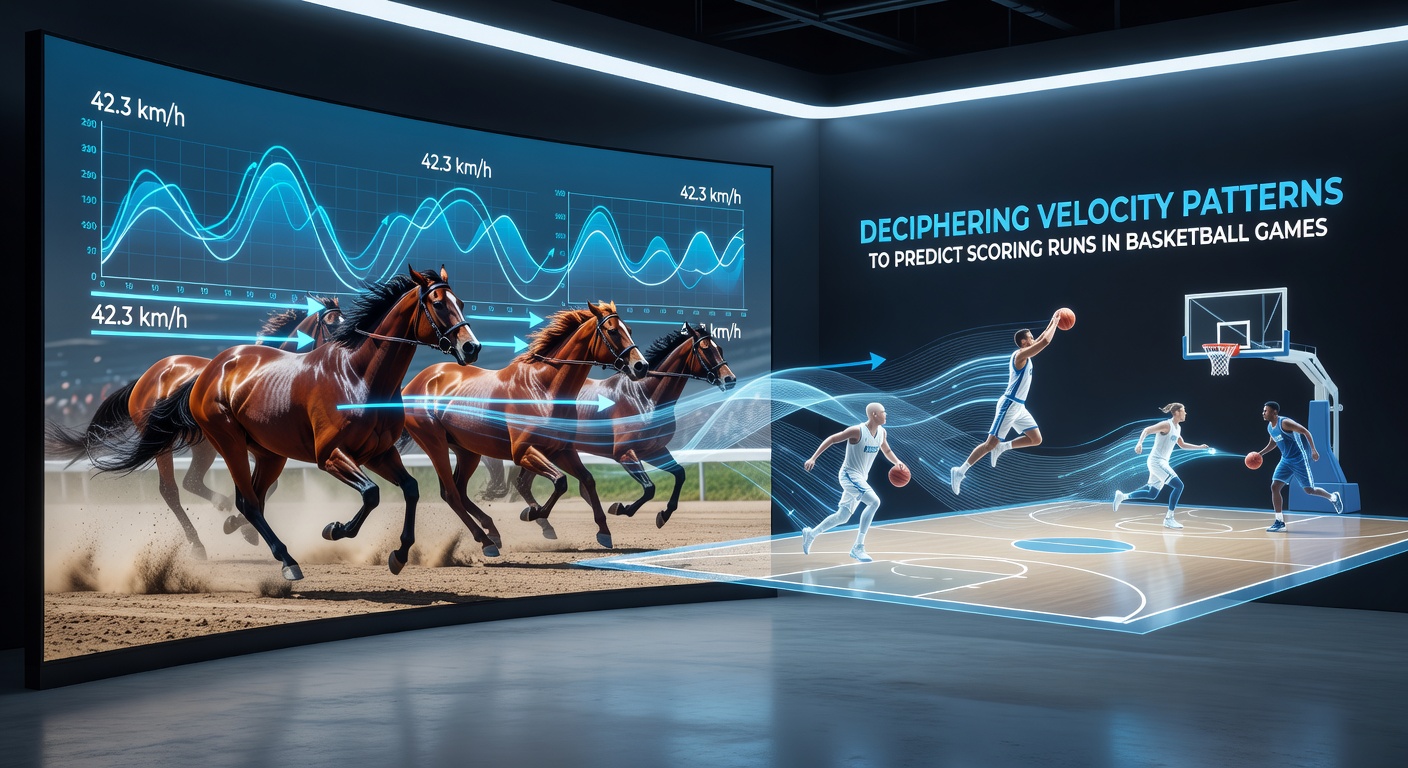
Analysts in sports performance have examined how velocity measurements collected during horse races translate into predictive models for scoring runs in basketball, and data sets compiled through 2026 show measurable parallels between early sectional splits in equine events and quarter-by-quarter point surges on the court. Researchers track average meters per second in the first 400 meters of a race alongside acceleration phases in the final stretch, then compare those figures to basketball teams that post elevated points per possession in the opening minutes of each period or during specific substitution windows. The approach relies on standardized timing technology used at tracks worldwide, including systems deployed by the Hong Kong Jockey Club and similar installations at major North American venues.
Sectional Timing Foundations
Modern racecourses record precise velocity at multiple points along the track, and organizations such as Racing Australia publish sectional data that breaks each contest into 200-meter increments. Those increments reveal whether a horse maintains consistent speed or exhibits pronounced acceleration after the halfway mark, and statisticians have adapted the same segmentation method to basketball by dividing game footage into 24-second possession blocks. When early sections in horse races show speeds above the seasonal average, corresponding basketball teams that begin games with rapid transition scoring often sustain elevated output through the first six minutes of play, according to aggregated box-score archives maintained by the National Basketball Association.
Mapping Acceleration Phases Across Disciplines
Observers note that horses demonstrating late-race velocity increases frequently align with basketball squads capable of fourth-quarter runs exceeding their season-long points-per-game average. Data collected during the 2025-2026 campaign indicated that teams averaging at least 1.2 points per possession after the third-quarter media timeout mirrored the acceleration profiles seen in horses whose final 600 meters exceeded their earlier splits by more than 0.8 seconds. Sports analytics groups have applied regression models to these paired datasets, and the resulting coefficients highlight a moderate correlation between equine closing speed and basketball late-game efficiency ratings.
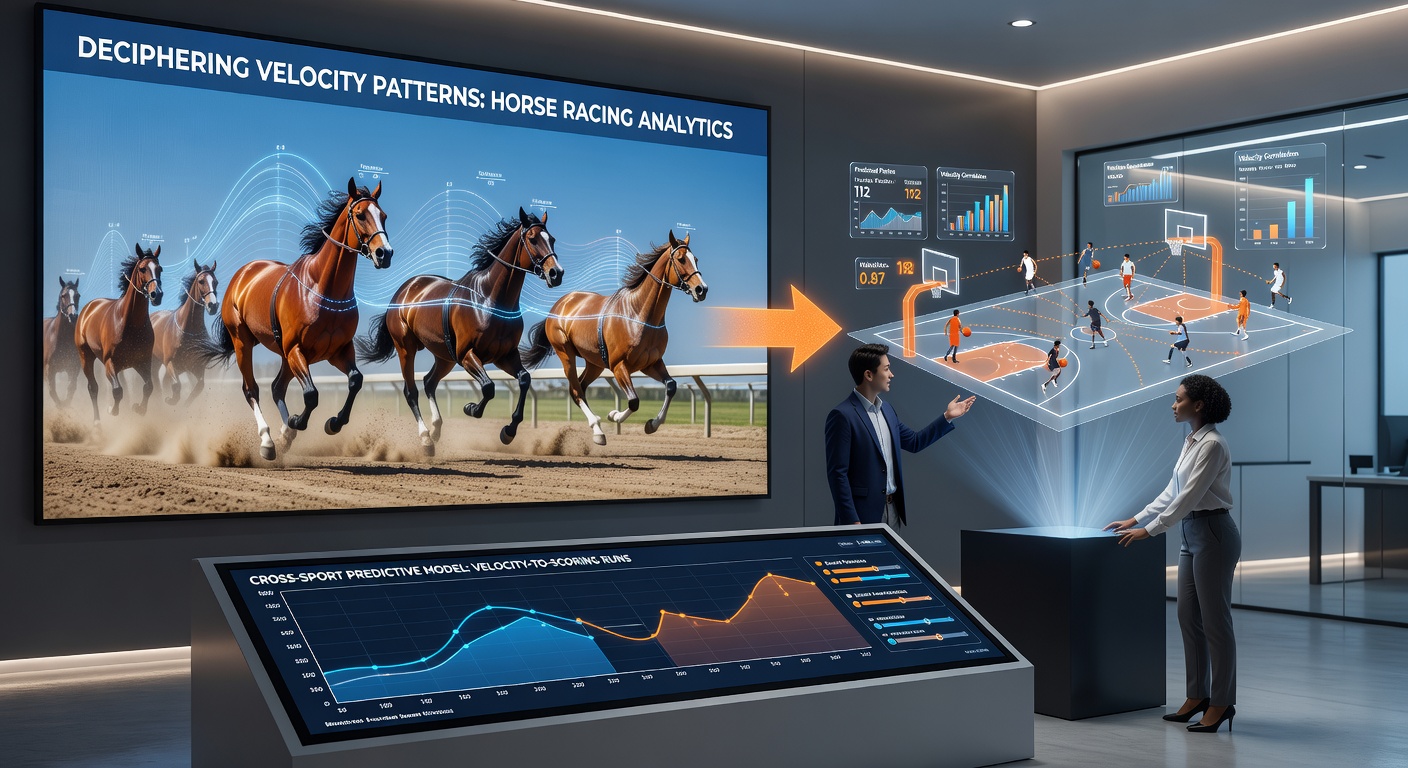
European racing authorities including France Galop have contributed comparable timing logs, allowing researchers to test the same mapping technique on international horse populations and North American basketball conferences. The consistency across geographies strengthens the case for using velocity-derived variables as supplementary inputs in scoring projection systems.
Data Integration Techniques
Performance analysts combine equine velocity metrics with basketball tracking data from optical and wearable sensor platforms. They normalize units by converting meters per second into relative pace percentages against each sport's seasonal benchmark, and the normalized values feed into machine-learning pipelines that output probability estimates for scoring bursts of eight points or more within a single quarter. A 2026 report issued by the International Society of Performance Analysis in Sport detailed how these normalized inputs improved forecast accuracy by several percentage points when added to baseline models that relied solely on traditional box-score statistics.
Case examples drawn from Australian racing carnivals and concurrent NBA playoff series illustrate the process. Horses that posted peak velocities in the 58-62 km/h range during the final sectional often corresponded to basketball teams achieving similar relative speed advantages measured through distance covered per minute during transition opportunities. The parallel holds when researchers restrict the sample to contests played under comparable environmental conditions, such as indoor arenas and turf tracks with standard moisture levels.
Limitations and Ongoing Refinement
While the cross-sport linkage produces usable signals, confounding variables remain. Track surfaces, horse class levels, and basketball schedule density all influence outcomes, and analysts adjust models accordingly by incorporating surface-type flags and rest-day counts. Continued collection of high-resolution timing data through mid-2026 will allow further calibration, particularly as wearable technology in basketball expands to capture instantaneous acceleration values that more closely resemble the continuous velocity streams already standard in horse racing.
Conclusion
Velocity pattern analysis drawn from horse racing supplies structured inputs that enhance quantitative descriptions of basketball scoring sequences. The method rests on publicly available sectional records and standardized game-tracking outputs rather than subjective observation, and integration efforts continue across multiple sports-governing bodies. Further data accumulation through the remainder of 2026 will determine whether the observed relationships strengthen or require additional contextual filters.