Altitude's Hidden Role in Shaping Endurance-Based Accumulators Across Varied Sporting Arenas
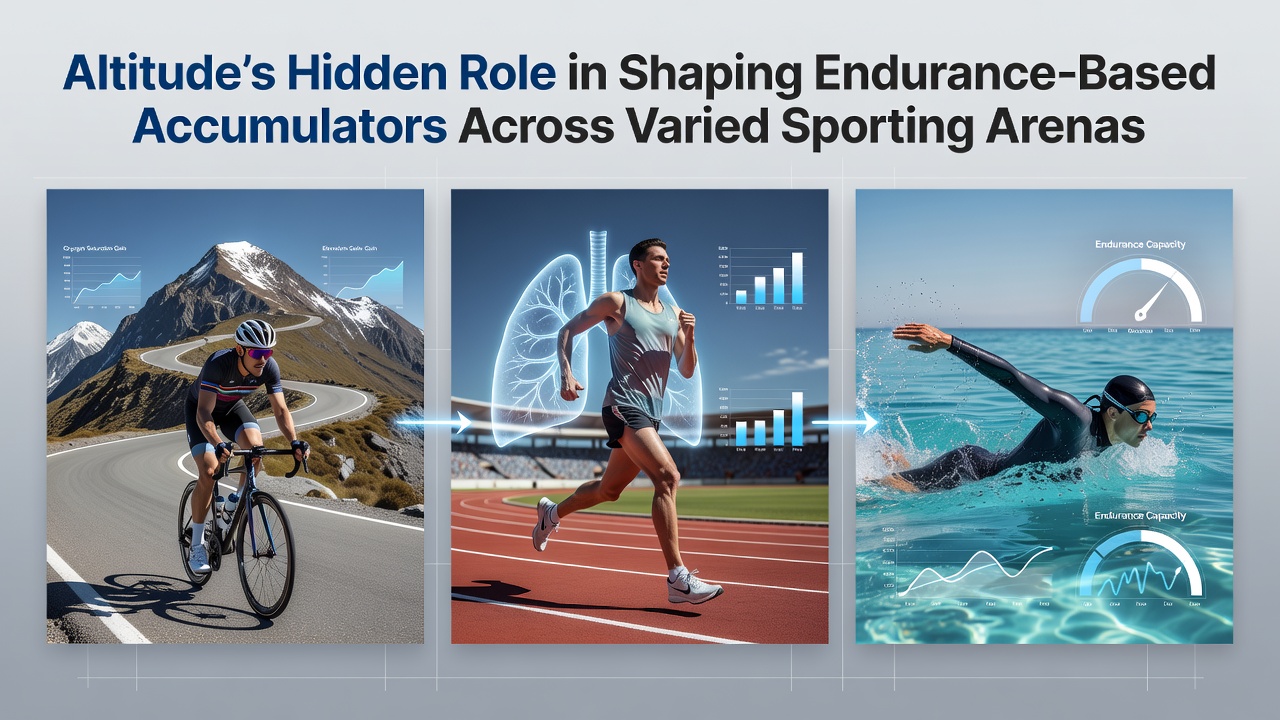
Altitude training has long influenced how endurance athletes prepare for competition, and data from various sporting bodies shows its effects extend into performance metrics that shape accumulator selections in events like marathons, cycling tours, and triathlons. Researchers at institutions across North America and Europe have documented how reduced oxygen availability at elevations above 2,000 meters alters aerobic capacity, recovery rates, and race outcomes in ways that create measurable patterns for those analyzing multi-leg bets.
Studies conducted by the Australian Institute of Sport highlight adaptations such as increased red blood cell production, which can enhance oxygen transport once athletes return to lower elevations. These physiological changes appear most pronounced in events lasting over 90 minutes, where endurance accumulators often combine results from road races, mountain stages, and open-water swims held at contrasting altitudes. Observers note that venues like those in the Andes or the Alps introduce variables including thinner air and variable temperatures that shift expected finishing times by several percentage points compared to sea-level equivalents.
Physiological Mechanisms at Play
Lower partial pressure of oxygen at altitude forces the body to work harder during sustained efforts, leading to elevated heart rates and earlier onset of fatigue in unacclimatized competitors. Data collected during events such as the Tour de France stages in the Pyrenees reveals average power outputs dropping between 8 and 12 percent relative to flat stages, according to analyses from sports science teams in France and Switzerland. This reduction influences accumulator construction because selections involving multiple high-altitude segments carry different risk profiles than those built around lowland races.
Acclimatization periods of 14 to 21 days allow athletes to partially offset these effects through improved buffering capacity and ventilatory efficiency. Teams preparing for competitions in June 2026, including qualifiers for major multi-sport festivals, have adjusted training camps accordingly, with many relocating to facilities in Colorado or Kenya's Rift Valley to simulate race conditions. Such preparation timelines create predictable windows where performance edges emerge in data sets tracking split times and heart-rate variability.
Impact Across Different Sporting Disciplines
Marathon runners competing at elevations like those found in Mexico City experience pace reductions of roughly 3 to 5 percent per 1,000 meters of ascent, based on longitudinal records maintained by athletics federations. When accumulators link these races with cycling time trials or triathlon bike legs conducted at similar heights, the compounded effect on totals becomes significant. Evidence from Canadian research groups indicates that female athletes sometimes exhibit slightly different hematological responses, prompting separate modeling for gender-specific accumulator lines.
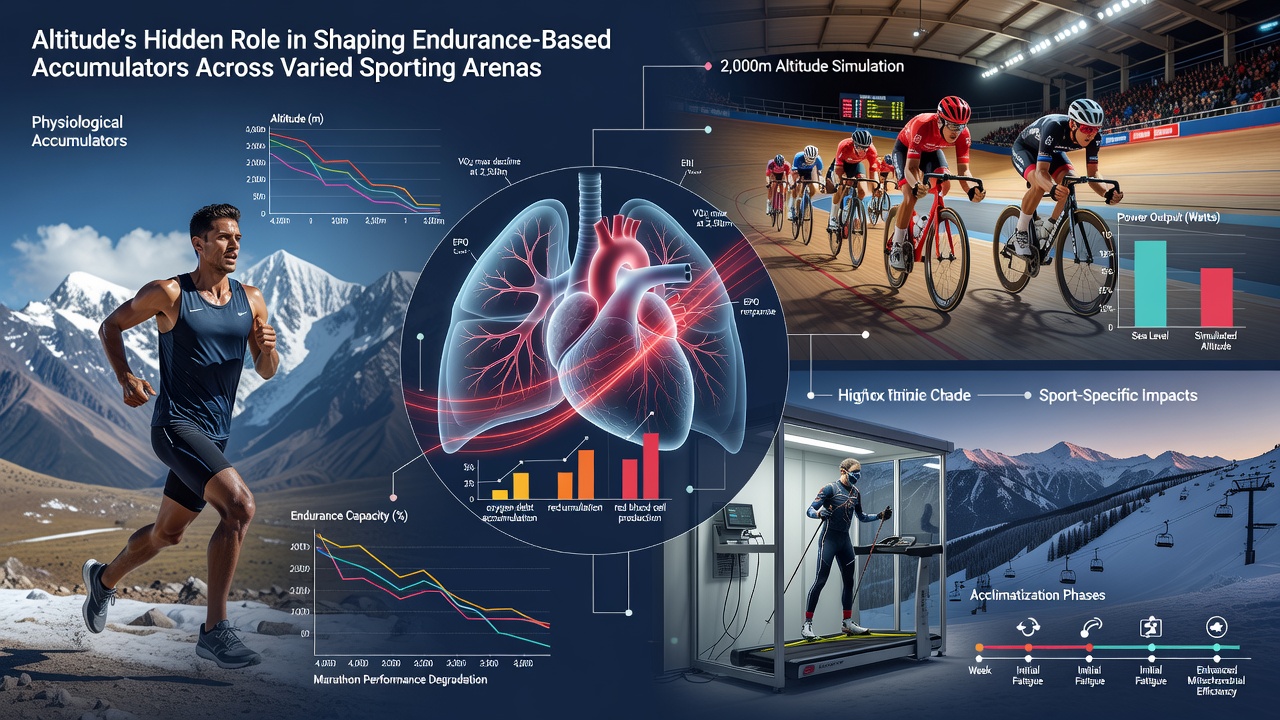
Cycling presents additional layers because repeated climbs amplify glycogen depletion rates, while recovery between stages depends on sleep quality at altitude. Reports from the Union Cycliste Internationale document how teams that incorporate simulated altitude tents during pre-race blocks maintain higher average speeds in subsequent mountain stages. Triathlon, meanwhile, combines swim, bike, and run segments where the run portion at altitude often determines final placings, leading analysts to weight those legs more heavily in multi-event selections.
Data Patterns and Accumulator Construction
Performance databases maintained by international federations show that athletes with prior altitude exposure win a higher proportion of races held above 1,500 meters, creating statistical biases useful for structuring accumulators. One study from a Scandinavian university tracked over 200 endurance events and found that acclimatized competitors improved their finishing positions by an average of two places when racing at moderate altitude compared to sea-level baselines. These shifts appear consistently across continents, from South American ultra-marathons to European gran fondos.
Environmental factors beyond oxygen levels, such as wind patterns and humidity variations common at elevation, further modify outcomes. Organizers of events scheduled through 2026 have begun publishing detailed course profiles that include cumulative elevation gain, allowing more precise calculations when combining selections from different disciplines. Patterns emerge most clearly in accumulators spanning three or more legs, where a single underperformance at altitude can alter overall returns substantially.
Training Innovations and Future Trends
Modern approaches include intermittent hypoxic training devices that replicate altitude stress without requiring physical relocation. Federations in Asia and Oceania have invested in such technology ahead of upcoming championship cycles, with preliminary results indicating comparable gains in VO2 max for athletes unable to access natural highland environments. These developments may stabilize performance baselines across venues, reducing some of the variance currently observed in accumulator outcomes.
Continued monitoring through wearable sensors provides granular data on individual responses, enabling finer adjustments to training loads before competitions. As events in June 2026 approach, governing bodies continue to refine altitude-related guidelines to ensure athlete safety while preserving competitive integrity.
Conclusion
Altitude exerts measurable influence on endurance performance through oxygen availability, acclimatization requirements, and environmental interactions that vary by sport and venue. Records from multiple governing organizations demonstrate consistent patterns that inform accumulator selections spanning marathons, cycling, and triathlon. Ongoing research and technological advances continue to refine understanding of these dynamics across global sporting calendars.