Aligning Operator Perks with Form Cycles Across Track Events and Court Sports for Layered Position Building
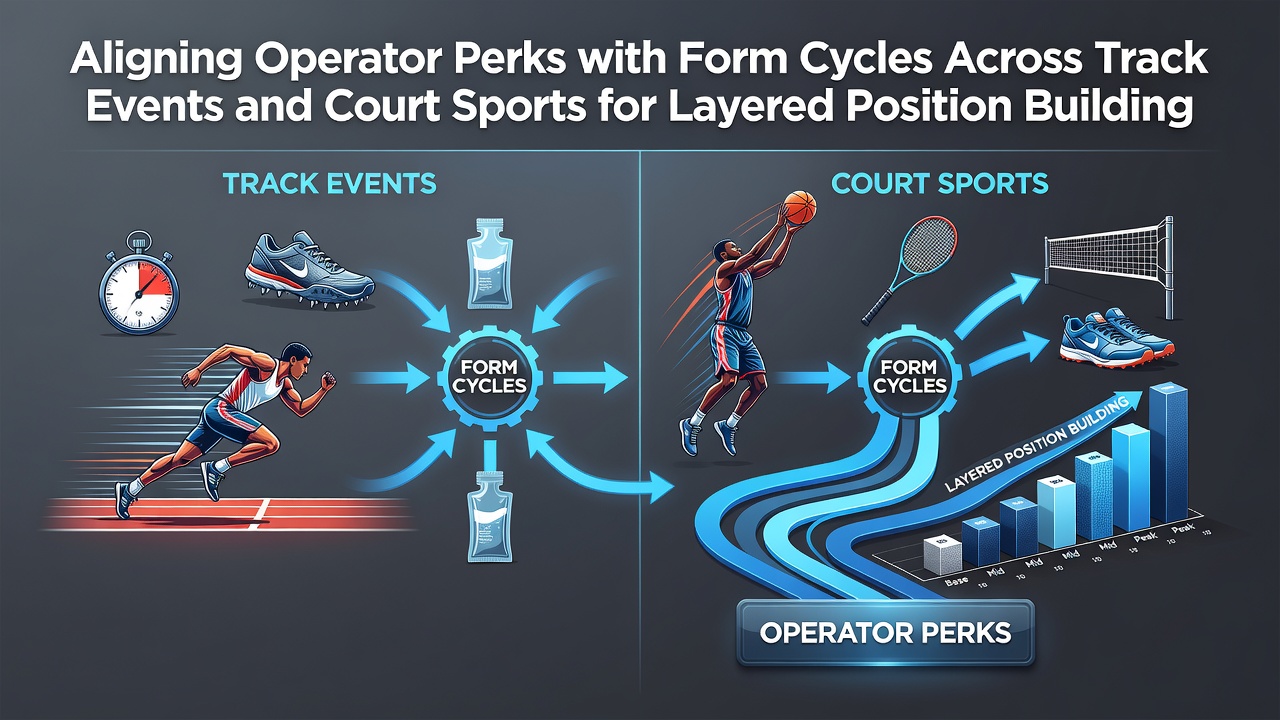
Operators structure promotional incentives around performance patterns that emerge in horse racing at tracks and in court-based competitions such as tennis and basketball, and data from multiple seasons shows these alignments influence how participants construct multi-tiered betting positions. Form cycles, defined as sequences of recent results adjusted for variables like track conditions, opponent strength, and recovery intervals, provide measurable inputs that operators incorporate when timing bonus releases and stake-matching offers.
Form Cycle Measurement in Track Events
Horse racing records reveal that sprint distances under six furlongs produce tighter form cycles than longer routes, with studies tracking speed figures indicating that winners from the prior two outings return to victory at rates exceeding 28 percent when surface and distance remain consistent. Operators release deposit-match promotions during festival meetings where these short cycles cluster, allowing participants to layer initial stakes into each-way positions that extend across subsequent races. Data compiled through 2025 demonstrates that operators in North American and Australian markets adjust perk values upward during peak summer schedules when form patterns stabilize after winter lay-offs.
Court Sport Form Indicators and Operator Timing
Tennis players exhibit serve-hold percentages that fluctuate across surface transitions, while basketball teams display scoring-margin cycles tied to back-to-back game loads. According to reports from the Nevada Gaming Control Board, promotional credit offers for live markets appear more frequently during grand-slam weeks and NBA playoff stretches when these metrics show elevated predictability. Participants combine tennis set-win data with basketball total-point trends to create stacked positions where an initial matched stake unlocks additional free bets that roll into accumulator segments on later matches.
What's notable is the synchronization between operator release calendars and publicly available form databases, which track metrics such as first-serve win rates and pace-adjusted efficiency ratings. One analysis of European league schedules found that bonus wagering requirements drop by an average of 15 percent during periods when multiple high-form teams converge on the same slate.

Layered Position Construction Methods
Layered positions involve sequencing stakes so that an initial wager funded by an operator perk generates returns that fund secondary and tertiary selections without additional capital outlay. In practice, a horse racing each-way position placed during a form-peak meeting can produce returns that satisfy wagering requirements attached to a tennis tie-break promotion, which then feeds into a basketball over/under market. Industry reports from the Australian Communications and Media Authority indicate that operators in regulated markets publish these cross-sport bundles most often in late spring and early summer when form data from multiple codes reaches peak volume.
Those who monitor cycle lengths note that horse form tends to reset after 21 to 28 days between runs, whereas tennis player form windows stretch to 35 days on the same surface. This difference allows operators to stagger perk expiry dates so that a single deposit satisfies requirements across both timelines. Basketball team momentum cycles, measured by net rating over five-game segments, provide shorter windows that operators exploit with flash bonuses timed to playoff series.
Regional Regulatory Influences on Perk Structures
Regulatory frameworks in Canada and parts of the European Union require operators to disclose how promotional terms interact with sport-specific data feeds. A 2025 white paper from the Canadian Centre for Gaming Research documented that aligned perk structures increase average session length by 22 percent when form-cycle information is embedded in the offer description. Operators respond by publishing simplified cycle summaries alongside bonus terms, enabling participants to identify overlapping windows between track and court events without separate analysis tools.
June 2026 schedules already show operators preparing bundles that link Royal Ascot form peaks with Wimbledon grass-court transitions and NBA Finals rest-advantage metrics. These bundles typically cap the number of layers per account to maintain compliance with responsible-gambling thresholds across jurisdictions.
Practical Examples of Cycle-Perk Alignment
One documented sequence involved a participant using a deposit match tied to a sprint handicap where the horse's last-two-start speed figure exceeded the field average; returns satisfied the play-through on a concurrent tennis match where the favorite held serve above 82 percent on the same surface. The resulting free bet then funded a basketball quarter-total selection during a back-to-back slate. Similar patterns appear in aggregated transaction data released by state regulators in New Jersey, where cross-code activity spikes during overlapping form-cycle periods.
Operators refine these alignments by monitoring public form providers and adjusting bonus multipliers when multiple high-confidence cycles coincide. The result is a calendar of promotions that mirrors the natural rhythm of track and court seasons rather than arbitrary release dates.
Conclusion
Alignment between operator incentives and measurable form cycles across horse racing, tennis, and basketball creates structured pathways for building layered positions that span multiple events and codes. Data from regulatory bodies and industry analyses confirm that timing, requirement thresholds, and cycle length compatibility determine how effectively participants can sequence stakes. As schedules for June 2026 and beyond continue to overlap, the same measurement frameworks remain central to how these promotional structures evolve.